
Cassava starch, also known as tapioca starch, has long been a vital raw material in various industries, particularly in countries like Vietnam. However, to meet the diverse demands of modern applications, cassava starch often undergoes chemical modification to alter its structure and enhance its properties. This article explores the methods of chemically modifying cassava starch and their wide-ranging applications.
Mục lục
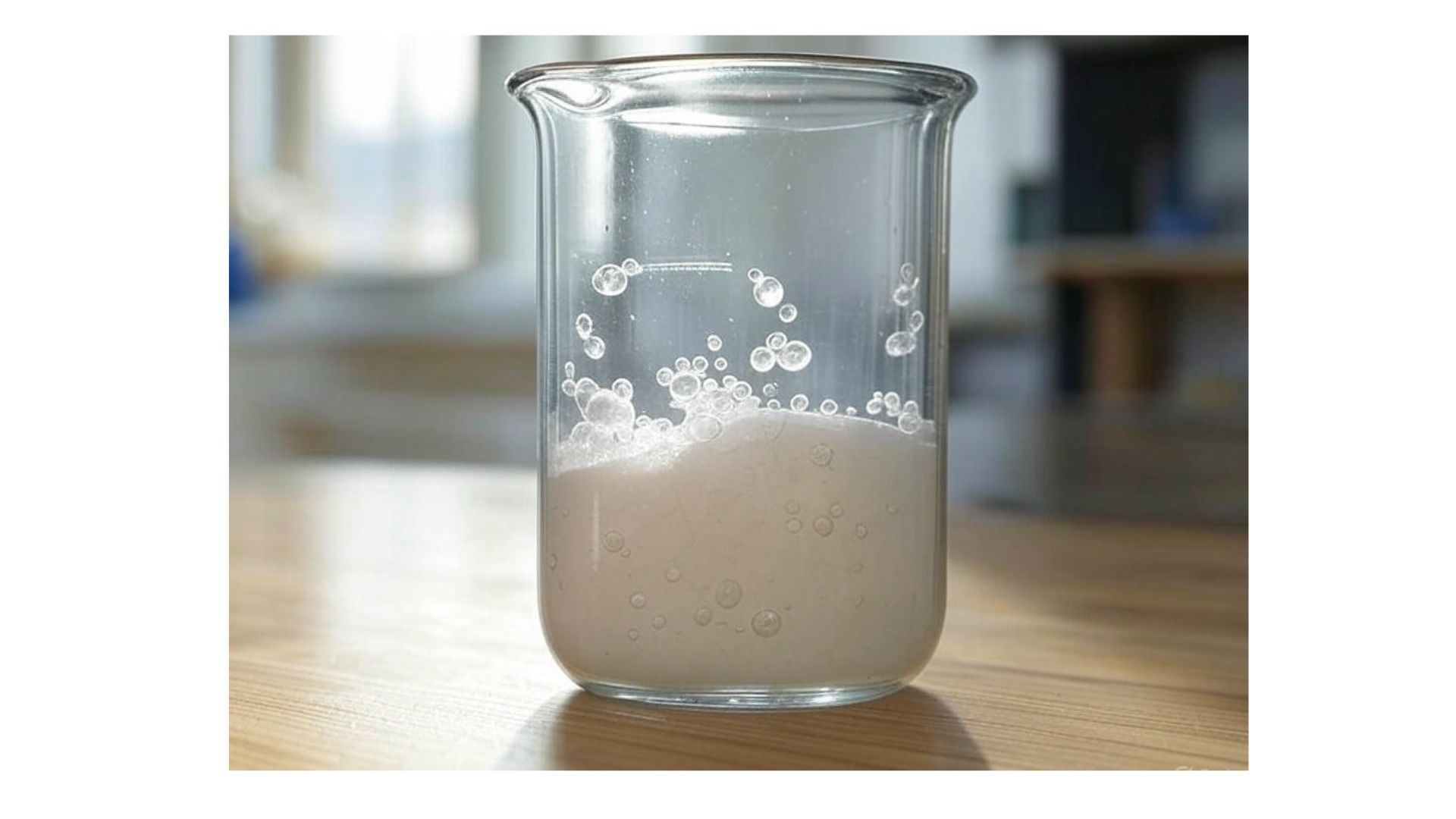
Chemical modification of cassava starch involves using chemical agents to change its molecular structure, thereby improving properties such as viscosity, solubility, thermal stability, or binding capacity. Unlike native cassava starch, chemically modified starch offers superior performance, making it suitable for advanced uses in food production, pharmaceuticals, and other industries.
This process typically introduces or substitutes functional groups into the starch molecules, resulting in products with tailored characteristics that surpass those of the original material.
Here are the most common chemical modification techniques applied to cassava starch:
This method uses acids (e.g., hydrochloric or sulfuric acid) to hydrolyze starch, shortening its molecular chains and reducing viscosity. Acid-treated starch becomes more soluble and is ideal for producing dextrins or sugars.
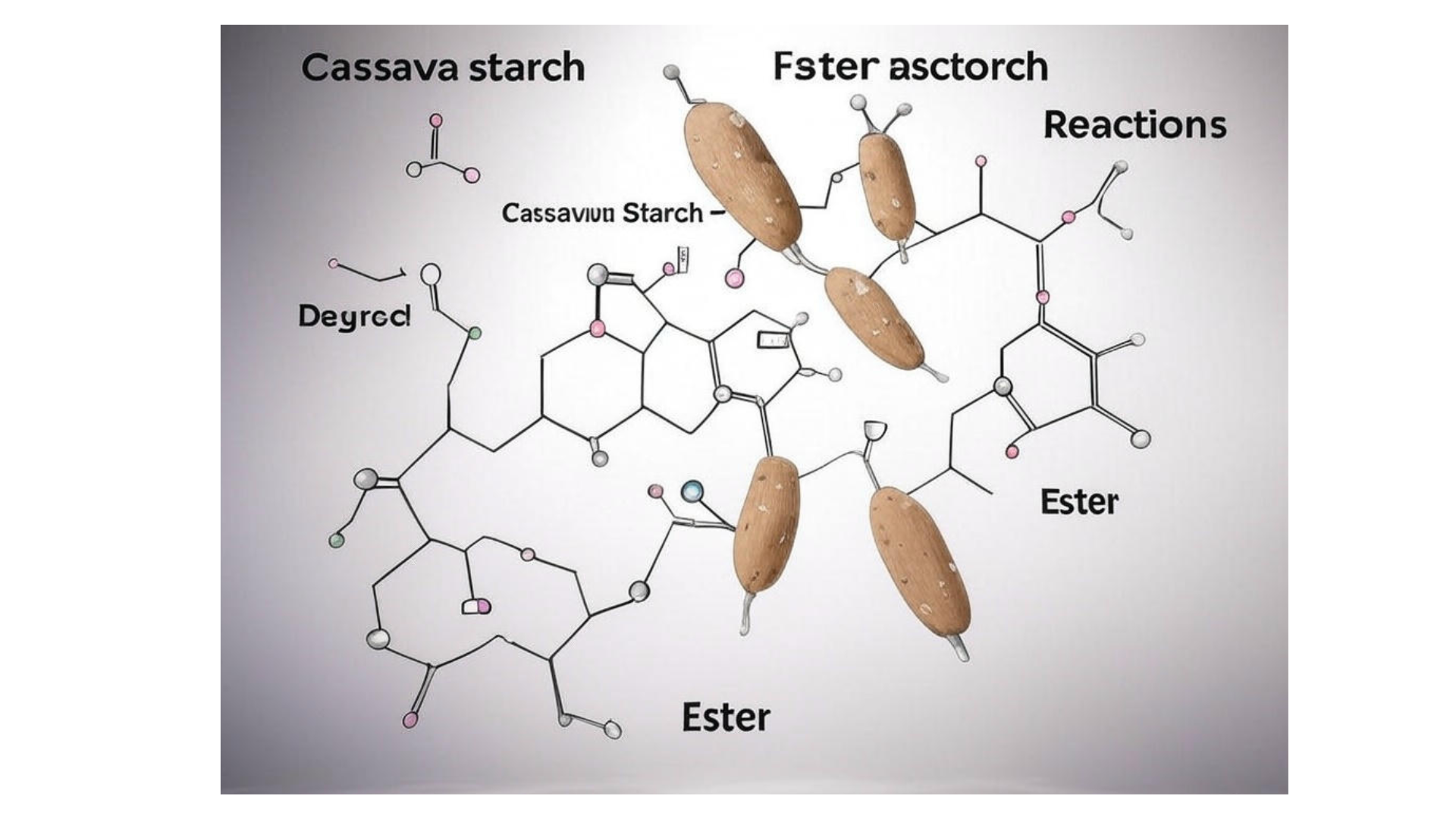
Esterification involves attaching ester groups (such as acetyl or phosphate) to starch molecules, enhancing thermal stability and resistance to retrogradation.
Etherification introduces groups like hydroxypropyl using reagents such as propylene oxide. This improves cold-water swelling and gel strength.
Oxidation with agents like hydrogen peroxide or sodium hypochlorite reduces starch viscosity and increases whiteness. The resulting product is highly stable and resistant to changes during storage.
Cross-linking employs agents like adipate or citrate to form bonds between starch chains, boosting mechanical strength and heat resistance.

Through chemical modification, cassava starch has become indispensable across multiple sectors:
Modified cassava starch serves as a thickener, stabilizer, or emulsifier in products such as:
For instance, phosphorylated starch (E1412) is often used to enhance crispiness in fish balls or meatballs.
In pharmaceuticals, modified starch acts as a filler or binder in tablet production, improving drug stability and dissolution rates.
Oxidized or esterified starch enhances paper strength and gloss while acting as a sizing agent in textiles to reduce yarn breakage and improve fabric quality.
Chemically modified cassava starch is used to create eco-friendly adhesives or biodegradable films, contributing to reduced plastic pollution.
If you’re searching for a dependable supplier of modified tapioca starch, particularly acetylated distarch adipate, EXPORTVN CO., LTD is the partner you can trust. With a track record of excellence and a deep understanding of industry needs, they deliver solutions that enhance product quality and operational efficiency.
EXPORTVN - Natural Ingredients for Healthy Foods
Email: sales2@exportvn.com
WhatsApp: +84936025314